What Patients Should Know About In Home Health Care
In the evolving landscape of healthcare, in home health care services have become a crucial option for many patients. In home care allows you to receive medical treatment and personal assistance without leaving your home. This article will help you understand everything you need to know about receiving health care in the comfort of your home.
What is In Home Health Care?
In home health care is a wide range of health services delivered in your home following an injury, illness, or medical procedure. These services are designed for individuals who cannot travel for outpatient services or are homebound, enabling them to receive necessary care while recovering in a familiar environment.
Types of Services Provided
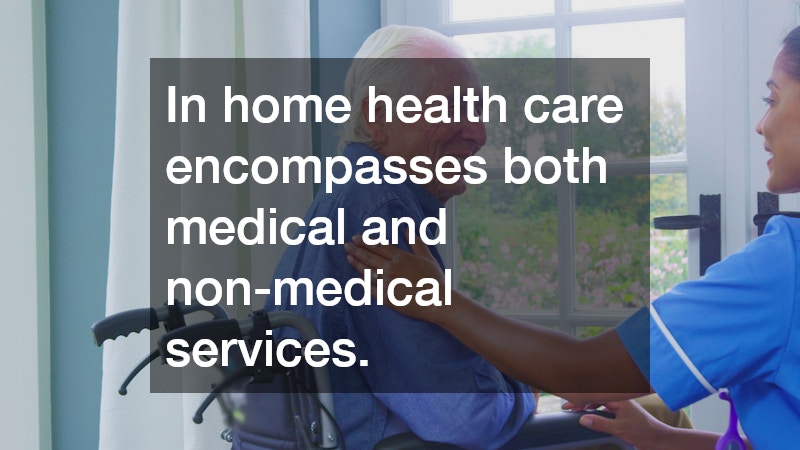
In home health care encompasses both medical and non-medical services. Skilled nursing care includes wound care, medication administration, intravenous therapy, and monitoring of chronic conditions. Therapy services such as physical, occupational, and speech therapy help patients recover abilities and maintain quality of life. Additionally, personal care assistance covers activities like bathing, dressing, grooming, and toileting.
Beyond medical services, in home care also provides homemaking services including light housekeeping, meal preparation, and grocery shopping, as well as companionship and emotional support. Some patients benefit from respite care, which gives family caregivers a break while trained professionals take over caregiving duties.
Differences from Other Health Care Options
It’s important to understand the distinction between home health care and general home care. Home health care services are more medical in nature and address periodic needs, typically ordered by a doctor and often covered by insurance. In contrast, home care helps with everyday tasks like bathing, dressing, cooking, and cleaning, but does not include medical care.
How to Determine If In Home Health Care is Right for You
Evaluating Patient Needs
Choosing the right type of care starts with an assessment of medical needs, personal preferences, and daily challenges to create a customized plan. Consider whether you need skilled medical services, assistance with daily activities, therapy, or a combination of these. Your specific situation will influence the type of care you require.
Consulting with Healthcare Professionals
Work with your physician to determine if in home health care is appropriate for your condition. For medical home care, a doctor’s order is required, and an in-person evaluation must confirm the need for skilled services. Your care team will assess your condition to determine the appropriate level of care. For non-medical home care, families can arrange services without a doctor’s order.
Assessing Cost and Insurance Coverage
Medicare, Medicaid, and some private insurance plans cover the cost of home health services for eligible patients when ordered by a doctor. However, coverage varies depending on the type of service and your specific plan. Understanding your insurance benefits before beginning care is essential for managing costs effectively.
What Should You Expect from In Home Health Care Services?
Initial Assessments and Planning
When you begin in home health care, expect a thorough assessment of your medical and personal needs. Healthcare professionals will evaluate your home environment, discuss your goals, and develop a personalized care plan tailored to your specific situation.
Roles and Coordination of Healthcare Professionals
In home health care is provided by doctors, nurses, therapists, medical social workers, home health aides, and others working collaboratively. Home health nurses monitor general health, dress wounds, administer medication, manage intravenous therapy, and coordinate pain control in collaboration with your physician. Medical social workers provide counseling and help patients find community resources.
Regular Monitoring and Updates
Expect regular check-ins and adjustments to your care plan as your condition changes. Your healthcare team will monitor your progress and communicate with your physician to ensure you’re meeting your recovery or management goals.
Benefits of In Home Health Care
In home health care allows you to receive services in the comfort of your home, reducing the risk of complications and promoting faster recovery. You maintain independence and dignity while receiving necessary support. Personalized care plans address your unique needs, and you benefit from the convenience of not traveling to medical facilities. For elderly patients, in home care enables you to maintain independence and live safely at home while receiving medical support.
Challenges and Considerations for In Home Health Care
Finding qualified, reliable providers requires research and careful vetting. Managing complex medical needs at home requires clear communication between you, your family, and your care team. Additionally, ensuring timely response and consistent availability of caregivers can be challenging.
In home health care can offer invaluable support to patients seeking comfort and personalized care in their own homes. By understanding the services available and carefully considering your needs, preferences, and insurance coverage, you and your family can make informed decisions that best suit your healthcare goals and circumstances.