
Are Grits Good for Diabetics? Pros, Cons, and Healthy Alternatives
- Grits can be part of a balanced breakfast for diabetics if prepared carefully and eaten in moderation.
- They are naturally low in fat and gluten-free, but high in carbohydrates and low in fiber, which can affect blood sugar.
- Pairing grits with protein (eggs, Greek yogurt, or cottage cheese) and fiber (vegetables or fruits) helps reduce blood sugar spikes.
- Portion control is essential—stick to about half a cup of cooked grits per serving.
- Healthier grits options include whole-grain or stone-ground varieties instead of instant grits.
- Alternatives like oatmeal, quinoa, chia pudding, or cauliflower rice porridge offer similar comfort with lower glycemic impact.
- Monitoring blood sugar before and after meals, keeping a food journal, and combining grits with low-GI foods helps maintain stable glucose levels.
Breakfast is often called the most important meal of the day, especially for people managing diabetes. It sets the tone for blood sugar levels and energy throughout the morning. If you’re a fan of southern cuisine or simply love the creamy texture of grits, you might be wondering: are grits good for diabetics? In this article, we’ll break down the pros, cons, and some healthier alternatives so you can make informed choices for your breakfast routine.
What Are Grits and How Are They Made?

Grits are a type of coarsely ground corn, commonly enjoyed in the southern United States. They can be made from white or yellow corn and are typically boiled in water or milk until creamy.
Some popular ways to serve grits include:
- With butter or cheese
- Alongside eggs, bacon, or sausage
- Mixed with vegetables or seafood, like shrimp
While grits can be comforting and filling, their impact on blood sugar is a key consideration for diabetics.
The Nutritional Profile of Grits
Understanding the nutritional makeup of grits helps you determine whether they fit into a diabetic-friendly diet.
Typical nutritional content per 1-cup serving of cooked grits:
- Calories: 150–160
- Carbohydrates: 30–35 grams
- Fiber: 1–2 grams
- Protein: 3–4 grams
- Fat: 0–2 grams
Notice the high carbohydrate content and low fiber, which can influence blood sugar levels.
Are Grits Good for Diabetics? Pros to Consider
Despite the carbohydrate content, grits do have some benefits if included in moderation, making them a possible option for a balanced breakfast for diabetics:
- Low in fat: Plain grits are naturally low in fat, which is good for heart health.
- Gluten-free: Since they are made from corn, grits are naturally gluten-free, making them safe for people with gluten sensitivities.
- Versatile: Grits can be paired with protein, fiber, and healthy fats to create a balanced meal.
With the right preparation, grits don’t have to be completely off-limits.
Cons to Watch Out For
Grits also have some drawbacks that diabetics should be aware of:
- High glycemic index: Plain grits can cause rapid spikes in blood sugar, especially if eaten without protein or fiber.
- Low fiber content: Fiber slows digestion and helps manage blood sugar. With only 1–2 grams per serving, grits don’t provide much of it.
- Portion sensitivity: Large servings can significantly impact blood sugar levels.
How to Make Grits More Diabetic-Friendly
If you love grits, there are ways to prepare them that make them safer for blood sugar control:
- Add protein: Eggs, Greek yogurt, or cottage cheese can help balance carbs.
- Include fiber: Mix in vegetables like spinach, tomatoes, or bell peppers.
- Control portion size: Stick to half a cup cooked per meal instead of a full cup.
- Use whole-grain or stone-ground grits: These have slightly more fiber than instant grits.
Healthy Alternatives to Grits for Breakfast
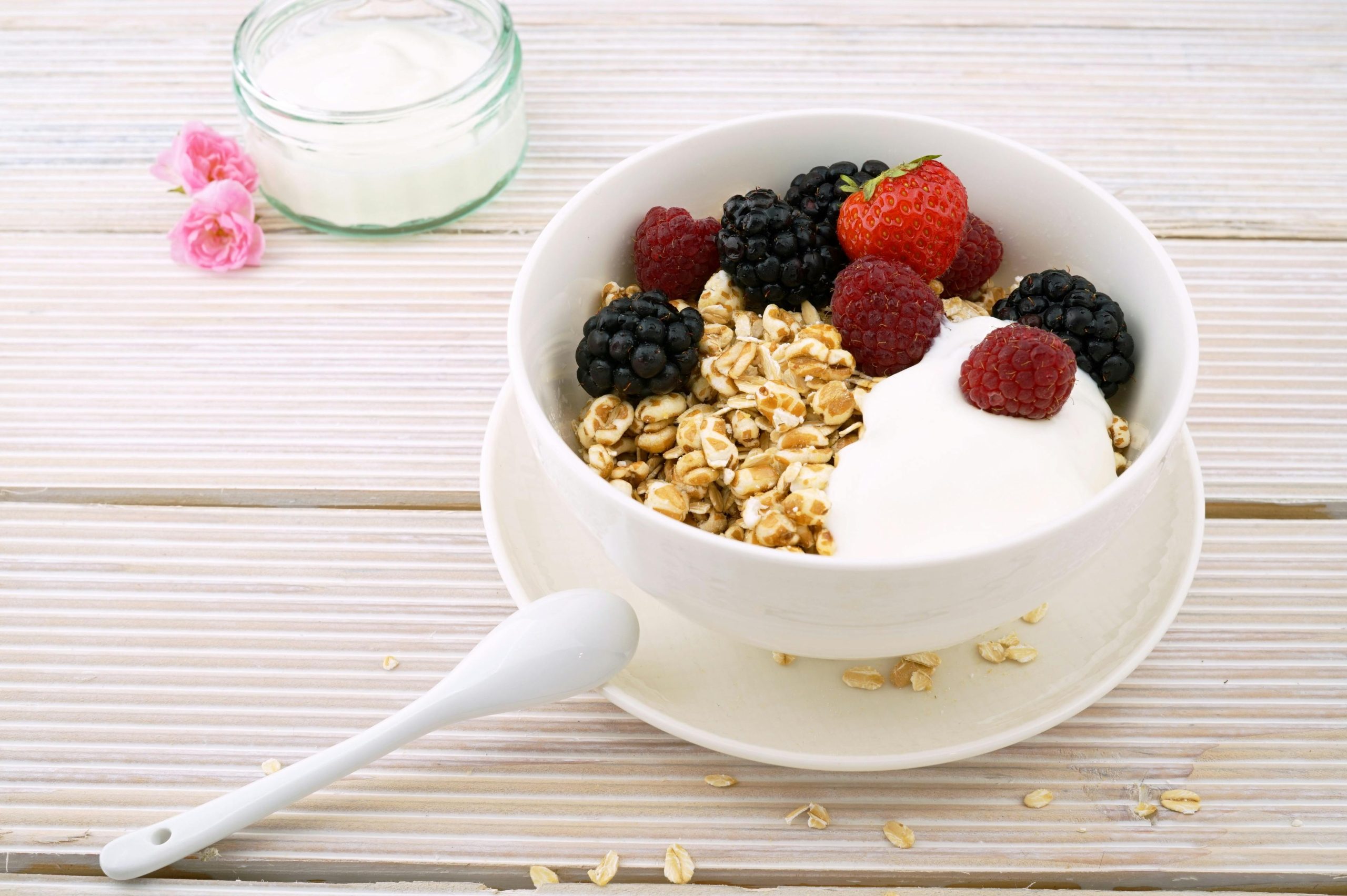
If you want similar texture or comfort without the blood sugar spike, consider these options:
- Oatmeal: Steel-cut or old-fashioned oats are high in fiber and can help stabilize blood sugar.
- Quinoa: A protein-rich, low-glycemic option that works well as a creamy breakfast porridge.
- Chia pudding: High in fiber and healthy fats, chia seeds provide long-lasting energy.
- Cauliflower rice porridge: Low-carb and versatile for savory or sweet preparations.
Diabetic Breakfast Ideas Featuring Grits
Here are some practical ideas to include grits in a balanced diabetic breakfast:
- Savory shrimp and veggie grits: Use half a cup of stone-ground grits, sautéed shrimp, and spinach. Add a pinch of garlic and a sprinkle of black pepper for extra flavor.
- Cheesy grits with a protein boost: Add a small amount of reduced-fat cheese and pair with a side of boiled or poached eggs. You can also stir in a few chopped herbs like parsley or chives for freshness.
- Vegetable-loaded grits bowl: Stir in diced tomatoes, zucchini, and bell peppers to increase fiber and add natural sweetness. Top with a little avocado for healthy fats.
- Turkey or chicken sausage grits: Swap traditional pork sausage for lean turkey or chicken sausage. Combine with stone-ground grits and some sautéed mushrooms or kale for a hearty, blood-sugar-friendly meal.
- Grits with nut butter and berries: For a sweeter option, stir in a spoonful of natural almond or peanut butter and top with fresh or frozen berries. This adds protein, fiber, and antioxidants while keeping carbs in check.
- Mediterranean-style grits: Mix in diced cucumbers, cherry tomatoes, and olives, then drizzle with a little olive oil. Add a boiled egg for extra protein to make a light and satisfying breakfast bowl.
- Grits breakfast casserole: Layer cooked grits with steamed vegetables, a small amount of cheese, and beaten eggs, then bake for a make-ahead breakfast option that can last a few days.
These ideas show that with a few simple modifications, grits can be part of a balanced breakfast for diabetics while adding variety, flavor, and nutrients to your morning meal.
Tips for Monitoring Blood Sugar When Eating Grits
Even with modifications, monitoring is key:
- Check blood sugar before and 2 hours after eating grits.
- Keep a food journal to track how grits affect your glucose levels.
- Pair grits with low-GI foods to reduce spikes.
- Stay hydrated and include physical activity after meals if possible.
When to Avoid Grits
Some situations might warrant skipping grits altogether:
- If your blood sugar is already high in the morning
- If you have difficulty managing post-meal spikes
- If you’re following a strict low-carb diet recommended by your healthcare provider
The Bottom Line
Grits can be included in a diabetic diet, but it’s important to approach them with caution. They are naturally low in fat and gluten-free, which makes them a potentially good option, but their high glycemic index and low fiber content mean that portion control and balanced pairings are essential.
To enjoy grits in a diabetic-friendly way, choose whole-grain or stone-ground varieties whenever possible, and add protein and fiber to every serving. Sticking to small portions is key, and it can also help to rotate in alternatives like oatmeal or quinoa for variety.
By making these small adjustments, grits can remain a comforting breakfast choice without causing major spikes in blood sugar.