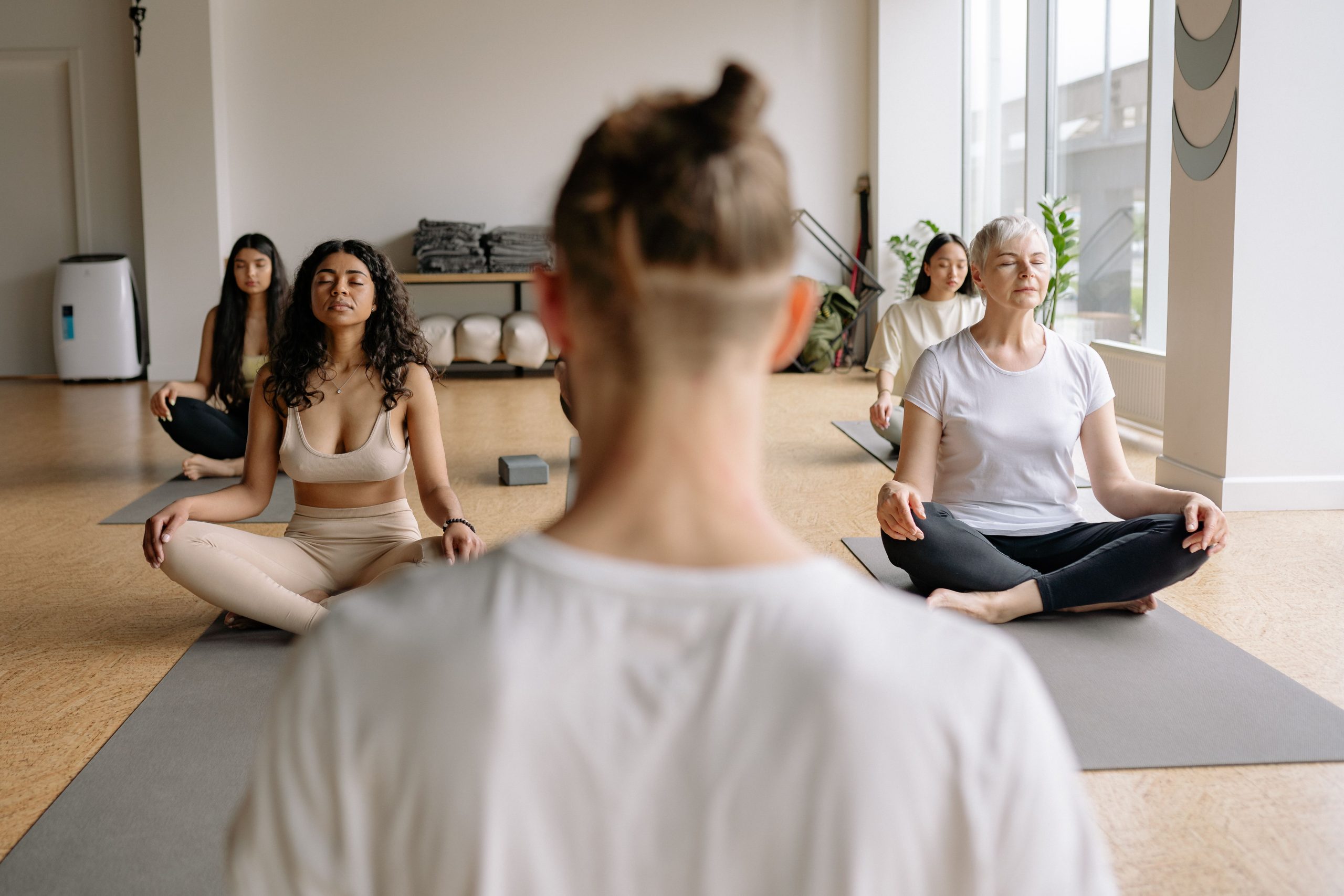
Mindfulness Practices for Stress Management in Chronic Illness
Key Takeaways
- Living with a long-term health condition creates a feedback loop where physical symptoms worsen anxiety, and anxiety worsens physical symptoms.
- Focused attention on the present moment can quiet the body’s stress response, lowering cortisol and easing muscle tension.
- Simple techniques like breath awareness, body scans, and mindful walking require no equipment and can be done in bed or a chair.
- Clinical research shows meaningful improvements in blood pressure, blood sugar control, and emotional well-being for people who adopt these habits.
- Starting small — just five minutes a day — is more effective than ambitious sessions that get abandoned.
- Working alongside doctors, therapists, and mental health specialists makes these techniques safer and more effective.
- Consistency over months, not perfection in a single sitting, is what produces lasting change.
What Chronic Illness Does to Your Stress Levels
Living with a long-term health condition is exhausting in ways that healthy people rarely understand. There is the illness itself — the pain, fatigue, medications, appointments. And then there is the second layer that nobody warns you about: the constant low hum of worry that sits underneath everything you do.
Your body reacts to that worry. When you are stressed, your heart beats faster, your muscles tighten, your digestion slows, and your immune system shifts into a defensive crouch. For someone who is already dealing with diabetes, arthritis, heart disease, cancer, or an autoimmune disorder, that reaction can make symptoms flare. It becomes a loop. The illness makes you anxious. The anxiety makes the illness worse. You feel trapped.
This article is written for someone who has never tried meditation, never read a self-help book, and maybe feels a little skeptical about the whole idea. We will start at zero and build up. By the end, you will have a simple toolkit you can use today.
What Mindfulness Actually Means
Let us clear something up first. Mindfulness is not religion. It is not sitting cross-legged on a mountain. It is not emptying your mind of all thoughts — nobody can do that anyway.
Mindfulness is just paying attention to what is happening right now, on purpose, without judging it. That is the whole idea. If you are drinking coffee and you notice the warmth of the cup, the smell, the taste — that is mindfulness. If you are walking and you feel your feet pressing into the ground — that is mindfulness. It sounds almost too simple to be useful, but the science says otherwise.
Why Being Present Helps a Stressed Body
When you worry about the future or replay the past, your brain treats those thoughts as if they are happening now. Your nervous system reacts accordingly. By bringing your attention back to the actual moment — this breath, this chair, this sound — you signal to your body that there is no immediate threat. Your heart rate slows. Your breathing deepens. Over weeks and months of practice, that calming effect becomes easier to trigger.
How Stress Harms a Body Already Fighting Illness

Before we get into techniques, it helps to understand exactly what you are up against. Chronic stress keeps your body flooded with cortisol and adrenaline. That is fine for a short burst — your ancestors needed it to run from danger. But when the stress never ends, those hormones start doing damage.
Here is what long-term stress can do to someone with a chronic condition:
- Raise blood pressure and strain the heart
- Interfere with blood sugar control, making diabetes harder to manage
- Increase inflammation, which worsens autoimmune flares and joint pain
- Disrupt sleep, which slows healing and recovery
- Weaken immune response, leaving you more vulnerable to infections
- Amplify how intensely your brain perceives pain signals
According to the National Center for Complementary and Integrative Health, a review of fourteen studies with more than a thousand participants found a significant drop in blood pressure among people with conditions like hypertension, diabetes, and cancer who practiced structured mindfulness. That is not a small finding. Blood pressure medication often takes weeks to achieve similar results.
Simple Mindfulness Techniques for Everyday Relief
Here is the practical part. These are beginner-friendly methods you can try today, no training required. Pick one and start there. Do not try to do all of them at once.
The Three-Minute Breath
Sit or lie down. Close your eyes if that feels okay. Breathe in slowly through your nose for a count of four. Hold for two. Breathe out through your mouth for a count of six. Repeat for three minutes. When your mind wanders — and it will — just notice that and bring it back to the breath. No scolding yourself.
Body Scan
Starting at the top of your head, slowly move your attention down through your body. Notice what you feel in each area without trying to change it. Tightness in the shoulders? Just notice it. Warmth in the hands? Notice that too. This practice teaches you to recognize where you hold tension, which is the first step to releasing it.
Mindful Walking
Walk slowly, indoors or outside. Pay attention to the sensation of your feet touching the ground, the movement of your legs, the air on your skin. If you cannot walk easily, do the same thing with any gentle movement — stretching your fingers, rolling your shoulders.
The beauty of these techniques is that they are free, portable, and private. If you want to know how to relieve stress without spending money or leaving the house, this is where you start.
Building a Routine That Actually Sticks
Knowing techniques is one thing. Doing them regularly is another. Most people quit within two weeks because they aim too high. Here is how to avoid that trap.
Start with five minutes a day. Not thirty. Not an hour. Five. Attach it to something you already do — brushing your teeth, making coffee, taking your morning medication. That anchor makes the new habit stick without requiring willpower you may not have on bad pain days.
Track it in the simplest way possible. A checkmark on a calendar is enough. Research on mindfulness practices for stress management shows that consistency matters more than duration. Ten minutes a day for sixty days will change your nervous system more than two hours once a week.
Here are a few rules for building the habit:
- Pick the same time every day, even if it is only a few minutes
- Use a guided audio recording if silence feels awkward at first
- Expect your mind to wander — that is not failure, that is the practice
- Keep a simple log of how you feel before and after each session
- Tell one person about your routine so you have gentle accountability
- Skip one day without guilt if you need to, but return the next
If you want extra support, there are many healthcare professionals to consult who can help you tailor these practices to your specific condition.
What the Research Says About Real Results
Skepticism is healthy. You should want evidence before investing time in anything. Fortunately, the evidence here is strong and growing.
According to a meta-analysis published on ScienceDirect, structured mindfulness programs produced measurable drops in HbA1c, systolic blood pressure, perceived stress, and depressive symptoms across roughly 1,200 participants in fourteen studies. HbA1c is the long-term blood sugar marker that diabetes patients watch closely. Lowering it through a free technique you do at home is remarkable.
What Cancer Patients Have Experienced
The benefits extend to people dealing with cancer, too. According to research summarized on ResearchGate, participants in mindfulness programs for cancer patients and survivors saw mindfulness levels rise by about 7.9 percent while stress symptoms dropped by roughly 22.6 percent. For someone navigating treatment, that drop in stress can mean better sleep, better appetite, and more energy for recovery.
The common thread across all this research is that these practices are not a replacement for medical care. They are an addition to it. They work alongside medication, therapy, and treatment plans.
Working With Your Medical Team
Before you dive deep into any new practice, loop in the people who already know your case. A rheumatologist managing an autoimmune condition, an endocrinologist tracking your insulin, a cardiologist watching your heart rhythms — each one can tell you whether something as simple as breath work might interact with your treatment plan.
Most of the time, the answer is encouraging. Doctors generally welcome patients who want to take an active role in their own care. But there are edge cases worth knowing about. People with severe trauma histories sometimes find that body scans surface difficult memories. Patients with certain respiratory conditions may need to modify breathing exercises. A quick conversation prevents problems before they start.
When to Bring in a Mental Health Specialist
If the weight of your illness has pushed you into persistent sadness, panic attacks, or hopelessness, a therapist trained in chronic illness is worth more than any self-guided technique. Mindfulness pairs beautifully with cognitive behavioral therapy and acceptance-based approaches. A clinician can teach you variations tailored to your diagnosis and help you work through the grief that often comes with long-term sickness.
Look for someone certified in Mindfulness-Based Stress Reduction or Mindfulness-Based Cognitive Therapy. Both programs have decades of clinical backing and were designed with medical patients in mind.
Calming Techniques That Pair Well With Mindfulness

Mindfulness does not have to stand alone. Several other low-effort practices amplify its effects and can fit into the same five or ten minutes you already set aside.
- Gentle stretching or restorative yoga, done from a chair if needed
- Journaling three sentences about what your body felt during practice
- Listening to slow instrumental music while doing a breath exercise
- Spending time outside, even briefly, with phone notifications silenced
- Progressive muscle relaxation, tensing and releasing one area at a time
- Warm baths or heating pads combined with breath awareness
The point is not to stack techniques until your day is full of them. The point is to find two or three combinations that feel good and use them when symptoms spike.
Handling Setbacks and Difficult Days
There will be days when your condition flares, when pain makes concentration impossible, when the last thing you want to do is sit quietly with your own body. Those days are not failures. They are part of the territory.
On those days, shrink the practice instead of skipping it. One long exhale counts. Noticing the texture of your blanket for thirty seconds counts. The habit is what you are protecting, not the length of any single session. When you return to a fuller practice a day or two later, you will find it waiting for you exactly where you left it.
Guilt is the enemy here. Many people abandon a routine entirely after missing a week because they feel they have ruined it. Nothing is ruined. The nervous system does not keep score the way our inner critic does. Pick up where you are.
Conclusion
Chronic illness takes so much from a person — energy, plans, sometimes identity. What makes these quiet practices so valuable is that they give something back. Not a cure, not a miracle, but a small measure of control over how your body and mind respond to each new day. That control compounds over weeks and months into real, measurable change.
Start today with five minutes. Pick one technique from this article — the breath, the scan, or the walk — and try it once. Try it again tomorrow. Keep a checkmark on your calendar. Loop in your doctor. Expect wandering thoughts and welcome them back gently. In a month, look at your log and see what has shifted.
You are not trying to become a different person. You are giving the person you already are a few tools to carry a heavy load with slightly less strain. That is a worthy goal, and it is entirely within reach.