How an Outpatient Intensive Program Helps Families Support Recovery
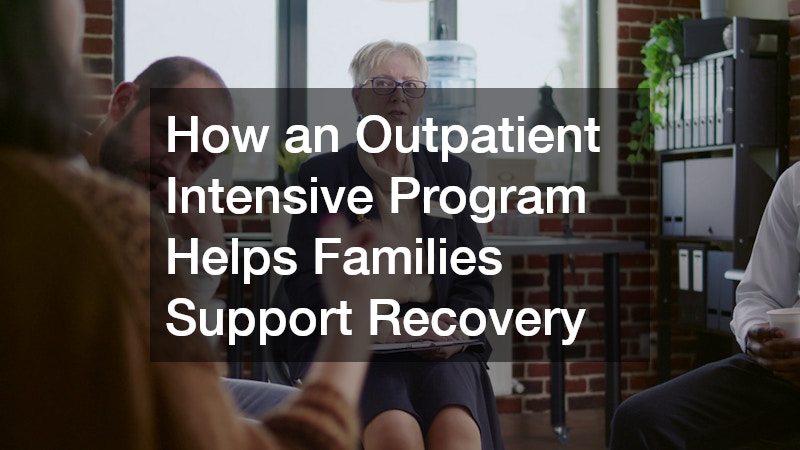
An outpatient intensive program provides structured addiction treatment while allowing individuals to live at home and maintain parts of their daily routine. In an outpatient intensive program, recovery happens through scheduled therapy, group sessions, and ongoing clinical support without requiring full-time residential care. This model makes family involvement especially important because loved ones become part of the recovery environment rather than being separated from it.
Families play a unique and often challenging role during this time. They are not just observers but active participants in the healing process, helping to create stability, encouragement, and accountability at home.
Recovery becomes a shared responsibility that depends on structure, communication, and consistency from everyone involved. An outpatient intensive program allows families to engage directly in recovery while still supporting independence and personal growth for the individual in treatment.
Understanding How an Outpatient Intensive Program Involves Family Support
An outpatient intensive program is a structured form of treatment that provides several hours of therapy and support each week while allowing individuals to continue living at home. Unlike residential programs, it does not remove a person from their environment, which means family dynamics play a much larger role in progress and recovery outcomes.
Family members are often included in educational sessions, therapy meetings, and updates on treatment progress. This involvement helps create a stronger support system and ensures everyone understands the recovery process. When families are engaged, individuals in recovery tend to feel more supported and less isolated, which improves emotional stability and accountability.
In addition, family involvement helps shift the perception of addiction from a moral issue to a medical and behavioral health condition. This understanding reduces stigma and encourages healthier responses during difficult moments in recovery.
Building Healthy Communication and Emotional Support Systems
Communication challenges are extremely common in families affected by addiction. Trust may have been damaged, emotions may be heightened, and conversations can easily become reactive or defensive. A structured outpatient intensive program helps families rebuild communication in a healthier, more intentional way.
Through therapy and guided support, families learn how to move away from conflict-driven conversations and toward supportive dialogue. This shift requires empathy, patience, and consistency. Instead of reacting to past behaviors, families are encouraged to focus on present progress and future goals.
Over time, this creates a more stable emotional environment that supports long-term recovery and reduces tension within the home.
Establishing Healthy Boundaries in Recovery
Healthy boundaries are essential for both the individual in recovery and their family members. Setting limits around enabling behaviors helps prevent unintentional support of unhealthy patterns.
Families also learn to clearly define acceptable and unacceptable behaviors within the home, creating structure and expectations that support sobriety. Encouraging accountability without blame or shame allows for growth without damaging relationships.
At the same time, maintaining emotional safety for everyone involved ensures that both the individual in recovery and their loved ones feel respected and supported.
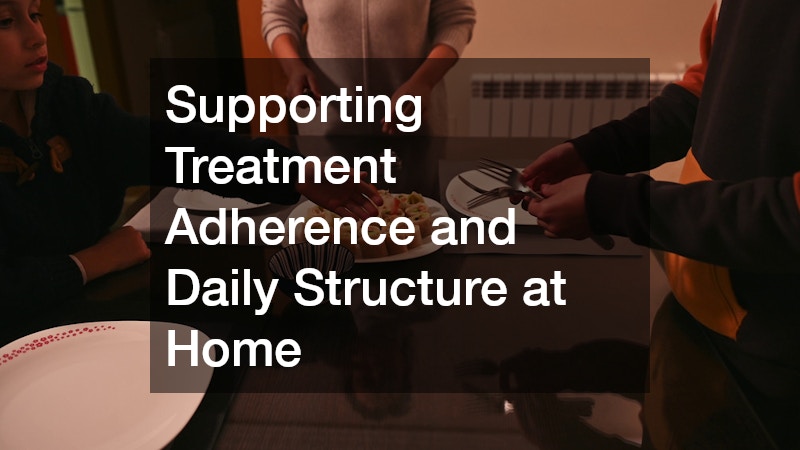
Supporting Treatment Adherence and Daily Structure at Home
An outpatient intensive program requires individuals to remain committed to treatment while navigating everyday life outside of a clinical setting. This makes the home environment a key factor in treatment success.
Families can support adherence by reinforcing routines that align with recovery goals. Stability, consistency, and structure are especially important during early recovery, when habits are still being rebuilt.
When families participate in maintaining a supportive environment, individuals are more likely to stay engaged in treatment and follow through with their recovery plan.
Preventing Relapse and Encouraging Long-Term Recovery
Relapse prevention is not a one-time effort but an ongoing process that involves both the individual and their support system. Families are often the first to notice early warning signs, making their awareness extremely valuable.
By recognizing behavioral changes or emotional shifts, families can encourage early intervention before a relapse occurs. Continued participation in aftercare programs, support groups, or ongoing counseling is also essential for maintaining progress.
It is equally important for families to offer emotional support without becoming controlling or overly critical, as balance is key to long-term success.
Recovery is significantly strengthened when families are actively involved, informed, and supportive throughout the process. An outpatient intensive program creates a unique opportunity for shared responsibility, where healing takes place both in therapy and at home.
By fostering communication, structure, and emotional support, families can play a powerful role in recovery success. Staying patient, educated, and engaged helps create an environment where long-term healing is possible. Ultimately, sustained recovery depends on consistent support, healthy boundaries, and a commitment to working together through each stage of the journey.