
Comprehensive Automotive Services for Every Car Owner
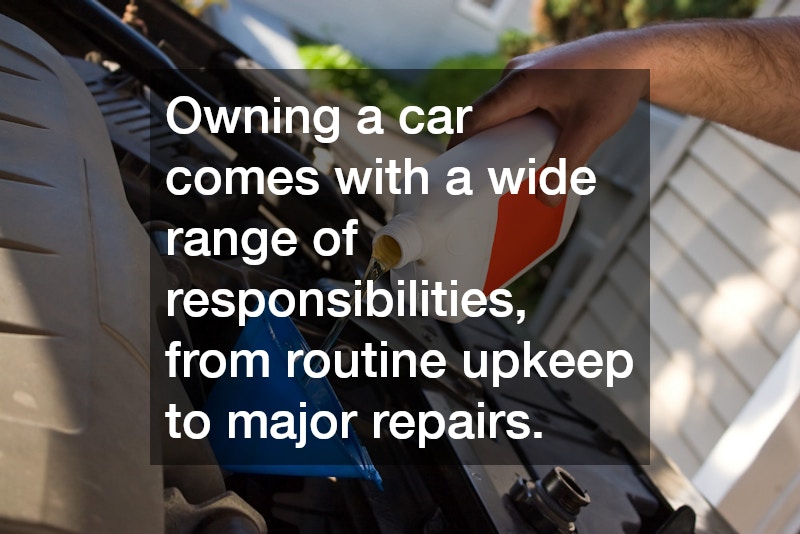
Owning a car comes with a wide range of responsibilities, from routine upkeep to major repairs. For many drivers, understanding how to maintain and improve a vehicle can make the difference between a smooth, worry-free ride and constant mechanical frustrations. A comprehensive approach to automotive care not only enhances safety and reliability but also protects your financial investment. By staying informed about the range of services available—from basic maintenance to advanced repairs—vehicle owners can ensure longevity, efficiency, and peak performance.
Cars today are increasingly sophisticated, blending mechanical, electrical, and electronic systems that require specialized care. Whether you drive a modern sedan, a luxury SUV, or a classic car, understanding the available automotive services equips you with the tools to address issues proactively, prevent costly breakdowns, and enjoy a more comfortable driving experience. This guide explores essential services every car owner should prioritize, provides actionable tips for making informed decisions, and emphasizes strategies for preserving your vehicle’s value.
Maintaining Vehicle Reliability With Routine Repairs
Beyond the basics of regular maintenance, adopting a comprehensive approach to vehicle care can further enhance reliability and longevity. This includes periodic inspections of less obvious systems, such as suspension components, steering mechanisms, and exhaust systems, which are often overlooked until issues arise. Catching early signs of wear in these areas can prevent sudden failures and costly replacements.
Seasonal maintenance is another critical component. Preparing your vehicle for extreme weather conditions—whether hot summers or cold winters—ensures that fluids, batteries, and tire performance remain consistent. For example, checking coolant levels before summer or inspecting heater and defroster systems before winter can prevent breakdowns when you need your vehicle most.
Technology also plays a role in modern vehicle upkeep. Many newer cars are equipped with advanced diagnostic systems that monitor engine performance, emission levels, and other vital metrics. Leveraging these tools through routine service visits allows mechanics to identify anomalies early, reducing the likelihood of unexpected malfunctions.
Incorporating minor repairs into your maintenance routine is equally important. Fixing small issues like worn belts, leaky hoses, or chipped brake pads immediately can prevent cascading problems that may impact other systems. This proactive approach not only saves money but also maintains safety standards, especially when it comes to critical components like brakes and steering.
Finally, educating yourself about your vehicle’s specific needs enhances the effectiveness of preventive care. Understanding manufacturer-recommended service intervals, knowing which fluids to monitor, and recognizing unusual sounds or behaviors allows you to act quickly and communicate effectively with your auto mechanics. By combining routine maintenance, timely repairs, and proactive monitoring, drivers ensure that their vehicle remains dependable, safe, and cost-effective for years to come.
Restoring and Preserving Classic Vehicles
Classic cars hold both sentimental and financial value. Maintaining these vehicles requires specialized knowledge to preserve original components while ensuring roadworthy performance. Classic auto repair often involves sourcing hard-to-find parts, addressing wear from age, and maintaining historical authenticity.
Tips for classic car upkeep:
-
Conduct regular inspections: Check for rust, frame integrity, and mechanical wear before it becomes a major issue.
-
Work with experienced auto mechanics: Mechanics familiar with vintage vehicles can ensure that repairs are both safe and faithful to the original design.
-
Use quality replacement parts: Whenever parts need replacing, prioritize original or high-quality replicas to maintain the car’s value.
-
Store vehicles properly: Climate-controlled storage helps prevent corrosion and damage from humidity or extreme temperatures.
Preserving a classic car is about more than functionality—it’s about protecting an investment that can grow in value over time. Proactive maintenance, combined with expert guidance, ensures that these vehicles remain in prime condition for decades
Classic cars are unique not only for their design and performance but also for the history and craftsmanship they represent. Maintaining these vehicles requires attention to detail, patience, and often a higher level of technical expertise compared to modern cars. Regular preventative care helps protect against deterioration, mechanical failure, and the loss of originality, all of which can significantly affect the car’s value and enjoyment.
One of the most critical aspects of classic auto repair is addressing corrosion and rust. Older vehicles often have metal components that are more susceptible to oxidation, which can compromise structural integrity. Routine inspections of the undercarriage, wheel wells, and body panels can identify early signs of rust, allowing for timely treatment before extensive damage occurs.
Mechanical systems, including engines, transmissions, and suspension components, also require careful attention. Many classic cars have carbureted engines, manual transmissions, and unique braking systems that modern mechanics may not be familiar with. Working with auto mechanics experienced in vintage vehicles ensures that these systems are maintained safely, efficiently, and in a way that preserves originality.
Electrical systems in classic cars can be particularly delicate. Worn wiring, outdated fuses, and aged connectors may need replacement or upgrading without compromising authenticity. Similarly, sourcing high-quality or original replacement parts is vital; aftermarket components can sometimes alter the vehicle’s performance or aesthetics, affecting both driving experience and value.
Finally, proper storage is essential for preserving a classic car’s longevity. Climate-controlled garages prevent damage from humidity, temperature fluctuations, and sunlight, while routine cleaning and lubrication of moving parts reduce wear. By combining proactive maintenance, expert guidance, and careful storage, classic car owners can ensure their vehicles remain safe, functional, and cherished for generations to come.

Protecting Your Investment With Insurance Guidance
Automobile ownership comes with financial responsibility, making insurance an essential component of vehicle protection. Working with a knowledgeable insurance provider ensures coverage for repairs, accidents, and liability, while also guiding you through claims processes effectively.
Steps to maximize insurance benefits:
-
Verify coverage: Understand your policy’s limits, exclusions, and any deductibles.
-
Coordinate with auto repair shops: Ensure your chosen shop can provide detailed invoices and work documentation to support claims.
-
Maintain detailed records: Service history and repair receipts strengthen your case for insurance coverage.
-
Plan for major repairs: Work with your insurance agent to confirm that costly services, such as engine replacements or collision repairs, are covered.
A well-structured home and auto insurance service plan offers financial security and peace of mind, protecting your investment against unexpected events while reducing out-of-pocket expenses. Combining reliable coverage with quality repair services ensures that every repair is properly documented and fully supported.
Enhancing Your Ride With Audio Upgrades
Modern vehicles are not just about transportation—they are also entertainment hubs. Upgrading your car’s audio system can enhance your driving experience, improve sound quality, and even increase resale value.
Tips for audio upgrades:
-
Select compatible accessories: Ensure that speakers, subwoofers, and head units match your vehicle’s system specifications.
-
Professional installation: Proper installation prevents electrical issues and maximizes performance.
-
Regular maintenance: Clean connections, check wiring, and protect components from moisture or heat.
-
Consider integration: High-end audio systems can integrate with navigation, Bluetooth, and other vehicle features for a seamless experience.
Investing in a high-quality audio system enhances everyday driving and adds value to your vehicle. By pairing accessories with professional installation, drivers achieve superior sound, safety, and reliability.
Ensuring Safety and Appearance With Body Repairs
Your vehicle’s exterior not only reflects its condition but also protects critical internal components. Auto body shops specialize in repairing collision damage, dents, and scratches, restoring both appearance and structural integrity.
Actionable tips for effective bodywork:
-
Choose a certified shop: Look for facilities with proper licenses, insurance, and positive customer feedback.
-
Inspect post-repair: Verify panel alignment, paint consistency, and frame integrity.
-
Prevent future damage: Use protective coatings, parking strategies, and regular washes to reduce exposure to elements.
-
Coordinate with mechanical repairs: Simultaneously address brake, suspension, or steering issues during bodywork to ensure comprehensive vehicle safety.
Maintaining the exterior ensures your car looks its best while protecting against rust, water damage, and other long-term issues. Combining cosmetic and structural repairs is key to preserving both safety and aesthetics.

Extending Vehicle Life With Transmission Maintenance
A vehicle’s transmission is one of the most critical systems for reliable operation. Neglecting transmission care can result in costly replacements and sudden breakdowns.
Transmission maintenance tips:
-
Regular fluid checks: Ensure proper levels and quality of transmission fluid.
-
Address early signs of trouble: Look for slipping gears, delayed shifts, or unusual noises.
-
Schedule routine inspections: Certified auto mechanics can detect wear and prevent catastrophic failure.
-
Plan major repairs strategically: For older vehicles or high-mileage cars, prepare for transmission servicing to avoid unexpected downtime.
Proper transmission care prolongs vehicle life, improves fuel efficiency, and reduces the likelihood of emergency repairs. Consistent maintenance ensures smooth operation and minimizes long-term costs.
Choosing the Right Auto Repair Shop
Selecting the right repair facility is critical for maintaining your car’s safety and performance. Not all shops provide the same level of service, so careful evaluation is essential.
Tips for choosing a shop:
-
Check credentials: Ensure certifications, licenses, and insurance are current.
-
Review experience: Look for shops familiar with your vehicle type and specific needs.
-
Compare pricing: Evaluate costs for similar services across multiple providers.
-
Read reviews: Customer feedback can indicate reliability, communication, and quality.
A trusted auto repair shop becomes a long-term partner, helping you maintain your vehicle efficiently and addressing problems promptly before they escalate.
Coordinating Multiple Automotive Services for Maximum Efficiency
Combining multiple services in a single visit saves time and reduces stress. Coordination ensures that both mechanical and cosmetic repairs are addressed simultaneously.
Tips for effective coordination:
-
Create a service checklist: Document all necessary repairs and upgrades before scheduling.
-
Prioritize critical repairs: Address safety-related issues first, then focus on cosmetic or comfort improvements.
-
Communicate with technicians: Clear instructions reduce the risk of overlooked issues.
-
Maintain detailed records: Track service dates, parts used, and warranties for future reference.
Consolidating repairs and maintenance enhances vehicle reliability and streamlines the overall ownership experience, providing both convenience and efficiency.
Preventing Emergencies With Proactive Vehicle Care
Proactive care prevents minor issues from turning into major emergencies. Regular inspections, system diagnostics, and scheduled servicing keep vehicles performing safely and efficiently.
Proactive maintenance strategies:
-
Schedule seasonal checkups: Inspect brakes, tires, fluids, and electronics before extreme weather.
-
Respond to early warning signs: Strange noises, vibrations, or dashboard alerts should be addressed immediately.
-
Educate yourself: Understand your vehicle’s maintenance schedule, manufacturer recommendations, and common issues.
-
Partner with reliable shops: A consistent service provider ensures continuity in care and familiarity with your vehicle’s history.
Proactive vehicle care reduces stress, protects investments, and ensures your car remains dependable for daily use and long-term ownership. Addressing critical services such as car transmission repairs promptly helps prevent costly breakdowns, maintains smooth performance, and extends the life of your vehicle’s drivetrain. By staying on top of these essential repairs, drivers can avoid unexpected downtime and enjoy consistent reliability on the road.
Comprehensive automotive care goes beyond addressing immediate problems—it involves a strategic approach that considers the vehicle’s overall health, longevity, and performance. Routine auto repair and maintenance form the backbone of this approach, ensuring that essential systems like brakes, tires, fluids, and engines are operating at optimal levels. Regular check-ups help identify early signs of wear or malfunction, preventing minor issues from escalating into costly repairs.
Specialized services, such as classic auto repair or transmission work, require skilled professionals familiar with the nuances of different vehicle types. Classic vehicles, for example, often need tailored solutions for parts sourcing, mechanical systems, and aesthetic restoration. Transmission care, on the other hand, involves complex diagnostics and precise adjustments to prevent costly failures and maintain smooth, efficient performance. By integrating these specialized services with routine maintenance, drivers can safeguard their investment and prolong the life of their vehicles.
Modern automotive upgrades, including car audio accessory installation or enhancements, also contribute to the overall driving experience. While they may seem cosmetic, professional audio systems improve comfort, convenience, and even resale value. Coordinating these upgrades alongside essential repairs ensures minimal downtime and a cohesive approach to vehicle care.
Selecting reputable auto repair shops and certified mechanics is critical to achieving reliable results. Experienced technicians can provide accurate diagnostics, high-quality parts, and efficient service, which ultimately reduces long-term costs. Documenting repairs and maintenance also helps monitor vehicle health over time and supports resale value when the time comes.
By adopting a holistic approach to automotive care—combining routine maintenance, specialized services, and strategic upgrades—drivers can enjoy enhanced safety, consistent performance, and peace of mind on the road. Incorporating services like car audio installation not only improves the driving experience but also adds value and modern functionality to the vehicle. This proactive strategy ensures vehicles remain dependable, efficient, and enjoyable for years, making it a vital component of responsible car ownership.