
How to Choose the Best Daily Support for Aging Relatives
Deciding how to support an aging family member with their daily routines is one of the most significant, emotionally charged journeys a family will ever navigate. As parents or relatives age, the subtle shifts in their physical capabilities or cognitive sharpness can slowly transform everyday tasks into serious challenges. A task as simple as stepping into a high-walled bathtub, preparing a balanced dinner, or keeping track of daily prescriptions can gradually create anxiety for both the senior and their loved ones. Families often find themselves caught between wanting to honor an older relative’s independence and needing to ensure their physical safety.
Proactive planning is always superior to managing a crisis after a sudden fall or sudden health decline. By taking time to evaluate options calmly, families can make deliberate, compassionate choices that protect their loved ones’ dignity while ensuring they receive appropriate daily assistance. Navigating this landscape requires understanding the full spectrum of options, assessing specific health requirements, vetting providers thoroughly, and exploring all financial resources. This comprehensive guide breaks down the essential steps to help you find the right level of daily support tailored to your relative’s unique situation.
Conducting a Thorough Evaluation of Everyday Mobility and Personal Self-Care Tasks
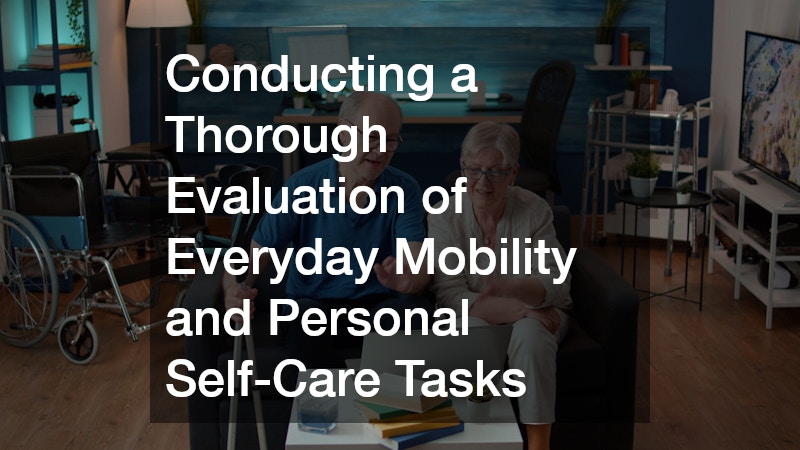
Before researching professional providers or residential settings, you must build an objective understanding of your relative’s daily realities. Care needs generally fall into two categories: basic activities of daily living, such as bathing, dressing, toileting, and eating, and instrumental activities, which include cooking, managing finances, shopping, and taking medications accurately. Observing how comfortably your loved one navigates these tasks provides a foundational baseline for deciding what level of assistance is necessary.
When caring for someone, it is crucial to remain vigilant for subtle signs that indicate additional daily support may be necessary. It is important not to take generalized assurances like “I am doing fine” at face value. Instead, look for concrete clues around their living environment that may reveal underlying issues.
- Pay attention to piles of unopened mail, unpaid bills, or late notices accumulating on countertops. This may suggest challenges with organization or financial management, indicating a need for assistance in handling everyday tasks. These signs can point to either memory problems or overwhelming stress in managing responsibilities.
- Observe any noticeable weight loss, presence of spoiled food in the refrigerator, or a newfound lack of enthusiasm for preparing meals. These could signify diminished appetite, difficulty with grocery shopping or meal preparation, or even indications of depression. Such changes could stem from underlying health conditions or simply the physical demand of preparing food becoming too burdensome.
- Look for unexplained bruises or a noticeable hesitation when getting up from a sitting position. These could suggest hidden falls or issues with balance and coordination, warranting a deeper investigation. Falls are a common risk as people age and could indicate that the home environment needs to be made safer, such as adding grab bars or revising furniture arrangements to minimize hazards.
- Note any signs of neglected personal hygiene, such as wearing stained or unwashed clothing or trouble maintaining regular grooming routines. Such signs may point to difficulties with performing daily self-care tasks and can be associated with both physical limitations and mental health issues like depression.
- Be vigilant about missed medication doses, pill bottles that are misplaced, or confusion surrounding prescription schedules. These observations can indicate cognitive difficulties in managing medications, which can be dangerous if left unaddressed, potentially leading to health complications from incorrect dosage or missed treatments.
In addition to evaluating daily physical tasks, perform a room-by-room audit of the home environment to spot potential safety hazards. Poor lighting in hallways, throw rugs on slippery hardwood floors, and deep bathtubs without grab bars dramatically increase the risk of accidental injuries. Integrating supportive household adjustments can make a profound difference in preserving mobility. For example, introducing adaptive furniture—such as a motorized lift chair—can provide gentle, powered assistance for older adults who struggle to transition safely from a seated position to standing.
Assessing these physical needs early allows families to design a balanced routine that addresses safety vulnerabilities without stripping away personal autonomy. High-quality elderly care focuses on providing just enough hands-on support to manage risk while empowering individuals to remain as active and independent as possible in their daily lives.
Screening Non-Medical Aides and Setting Up Structured Home Routines

For many older adults, remaining in the familiar comfort of their own home is the primary goal. In-home assistance allows individuals to maintain their cherished personal routines, stay connected to their neighborhood, and live surrounded by familiar memories. When setting up support at home, families generally choose between hiring non-medical aides independently or working through a licensed agency. While private hiring can sometimes offer lower hourly rates, licensed agencies handle background checks, workers’ compensation insurance, liability, and critical backup coverage when a worker falls ill.
Finding the right personality and skill set match is crucial when selecting an in-home aide. During interviews, move beyond basic resume checks and ask situational questions to evaluate their communication style, patience, and problem-solving abilities:
- How do you handle situations where a client refuses assistance with personal hygiene or medication?
- What specific training do you have in fall prevention, transfer techniques, and emergency response?
- Can you describe how you keep family members updated regarding physical or behavioral changes?
- What is the protocol if you notice new physical symptoms or emotional distress during a shift?
- How do you handle dietary restrictions or meal preparation preferences?
Clarifying the exact scope of duties is essential for setting healthy expectations. A skilled caregiver can assist with light housekeeping, meal preparation, transportation to medical appointments, mobility guidance, and personal hygiene aid while offering meaningful social companionship.
To help your relative adjust smoothly to outside assistance, start gradually. Introducing short home care visits a few days a week for basic housekeeping or errand running helps build trust before expanding assistance to intimate tasks like bathing or dressing. This gradual transition prevents older adults from feeling overwhelmed or as though their privacy is being compromised.
Key Observations to Make During Facility Tours and On-Site Audits
When in-home support is no longer sufficient or safe, moving to a dedicated community environment becomes a practical alternative. Residential options offer structured living spaces, round-the-clock personnel, prepared meals, and built-in social activities. However, choosing the right community requires looking far beyond marketing brochures, high-end decor, and polished reception lobbies. To understand the true quality of life inside a facility, you need to observe daily operations up close.
When visiting prospective facilities, pay close attention to the small, unscripted moments taking place around you:
- Observe how staff members interact with residents. Are conversations warm, respectful, and unhurried, or do staff seem rushed and stressed?
- Look at the residents in common areas. Do they appear clean, comfortable, and actively engaged, or are they sitting isolated in hallways?
- Check the daily activity calendar. Are there varied, intellectually stimulating, and physically accessible programs scheduled throughout the week?
- Sample a meal in the main dining hall to evaluate nutritional quality, food temperature, presentation, and dining room atmosphere.
- Examine maintenance standards in private rooms, shared bathrooms, hallways, and outdoor courtyards.
Schedule visits at varied times, including evenings or weekends when staffing levels can fluctuate. Pay attention to safety features such as emergency call buttons, accessible showers, wide doorways, and secure outdoor pathways. Ask management directly about their staff turnover rates, staff-to-resident ratios during night shifts, and ongoing employee training requirements.
Communities offering comprehensive assisted living provide a valuable middle ground for individuals who need daily support with personal tasks like bathing, dressing, or medication management, but do not require complex, skilled nursing procedures. These settings allow prospective residents to enjoy vibrant, community-oriented lifestyles while benefiting from predictable, round-the-clock safety support tailored to their evolving physical needs.
Recognizing When Cognitive Changes Require Dedicated Medical Supervision
Cognitive decline driven by Alzheimer’s disease or other forms of dementia presents unique safety challenges that standard personal care routines cannot always handle. As memory loss progresses, individuals may experience wandering, disorientation, severe anxiety, personality shifts, or difficulty recognizing common environmental hazards. Recognizing when standard support is no longer enough is vital for keeping your relative safe from harm.
Specialized memory environments are specifically architected to support individuals experiencing cognitive challenges. Look for facilities that feature:
- Secure, key-padded perimeters and monitored exit doors that prevent unsafe wandering while allowing free movement indoors.
- Circular, intuitive floor plans without dead-end hallways to reduce confusion and frustration.
- Dementia-friendly lighting design, acoustic controls, and calming colors to minimize sensory overload and agitation.
- Enclosed, secure outdoor garden courtyards that offer safe access to fresh air and natural sunlight.
- Visual cues, such as customized memory boxes outside private rooms, to help individuals recognize their living spaces easily.
Staff qualifications are equally important in cognitive care settings. Ask management about their specialized dementia training, behavioral de-escalation protocols, and how they handle agitation or sundowning symptoms without relying heavily on sedative medications. Activities should be tailored to preserve cognitive function and boost self-esteem through music therapy, sensory stimulation, life-skills stations, and gentle group exercise.
Selecting a fully certified local memory care facility ensures your relative lives in a secure environment staffed by compassionate professionals who understand cognitive loss. These dedicated environments seamlessly integrate specialized cognitive supervision with broader senior care services, giving families complete peace of mind that their loved one is protected around the clock. This is why people often consider senior care services.
Leveraging Community Programs, Military Benefits, and Long-Term Care Budgeting

The financial aspects of securing long-term daily support can feel overwhelming for families navigating care decisions for the first time. Costs vary significantly depending on geographic location, the level of hands-on assistance required, and whether support is delivered at home or within a residential community. Establishing a transparent financial strategy early prevents unexpected budget crises and ensures continuity of care as your relative’s needs expand over time.
Begin by compiling a complete inventory of your loved one’s financial assets, including monthly retirement income, pensions, savings accounts, investments, real estate equity, and active insurance policies. Explore various public and private financial resources to offset monthly care expenses:
- Long-Term Care Insurance: Review active policies carefully to understand elimination periods, daily maximum benefit amounts, covered care settings, and required medical documentation.
- State Waiver Programs: Investigate state Medicaid waivers designed to cover home-based personal assistance or community living support for eligible individuals with limited income.
- Life Insurance Conversions: Explore options for converting existing life insurance policies into long-term care benefit accounts or life settlements to fund immediate daily care.
- Area Agencies on Aging: Connect with local non-profit aging organizations to discover subsidized community services, such as home-delivered meals, transportation vouchers, or respite care relief for family members.
Former military members and surviving spouses should explore financial support offered through dedicated veteran services. Programs such as the Department of Veterans Affairs Aid and Attendance benefit provide tax-free monthly payments to eligible wartime veterans who require hands-on assistance with activities of daily living. These benefits can significantly relieve out-of-pocket costs for home assistance, adult day programs, or residential care.
Navigating financial aid opportunities requires patience and attention to detail, but tapping into these programs ensures your family can afford consistent care. Building a sustainable funding model allows you to maintain high standards across all aspects of senior care, giving your relative access to safe, dignifying support for years to come.
Making decisions about daily care for an aging relative is a deeply personal journey that requires balancing practical safety needs with deep respect for your loved one’s autonomy. By evaluating daily physical capabilities, screening home aides, inspecting residential options, understanding cognitive health needs, and exploring available financial resources, you can build a stable, compassionate care plan that protects your relative’s well-being.
Remember that care plans should be flexible rather than fixed. As your relative’s health and mobility naturally evolve, re-evaluate their care routines regularly to ensure their support system keeps pace with their needs. Involve your relative in these conversations as much as possible to honor their voice and preferences. Taking a well-researched, proactive approach transforms a complex process into an empowering opportunity to give your aging family member the comfortable, secure, and dignified quality of life they deserve.