
Breakfast for Diabetics: What to Eat, What to Avoid, and Healthy Meal Ideas
- Balance is key: Combine complex carbohydrates, protein, and healthy fats at breakfast to maintain steady blood sugar.
- Choose low-GI foods: Opt for whole grains, low-GI fruits, and fiber-rich vegetables to prevent rapid blood sugar spikes.
- Type-specific strategies: Type 1 diabetics should track carbs and manage insulin doses, while Type 2 diabetics should focus on fiber, protein, and insulin-sensitivity-friendly meals.
- Protein and healthy fats matter: Eggs, Greek yogurt, lean meats, nuts, and avocado help with satiety and blood sugar control.
- Avoid high-sugar and refined foods: Skip sugary cereals, pastries, white bread, and sweetened drinks.
- Portion control is essential: Even healthy foods can affect blood sugar if consumed in large amounts.
- Plan ahead: Weekly meal planning, make-ahead breakfasts, and mindful choices when eating out help maintain consistent blood sugar and energy levels.
Starting the day with the right breakfast is especially important for people with diabetes. A well-balanced breakfast can help stabilize blood sugar, reduce cravings, improve energy, and set the tone for healthier eating throughout the day. However, not all breakfasts are created equal. Some foods can cause rapid spikes in blood sugar, while others keep it steady for hours.
In this guide, we’ll explore what to eat and what to avoid, provide practical diabetic breakfast ideas for both Type 1 and Type 2 diabetes, and share tips for meal planning, portion control, and staying energized throughout the morning.
Why Is Breakfast Important for People with Diabetes?
Breakfast is often called the most important meal of the day, and for people with diabetes, that couldn’t be more true. Eating a balanced breakfast can:
- Prevent morning blood sugar spikes.
- Reduce cravings later in the day.
- Improve overall energy and concentration.
- Support weight management, which is crucial for controlling diabetes.
Skipping breakfast can lead to higher blood sugar levels after lunch and may make managing diabetes more challenging.
What Makes a Breakfast Diabetic-Friendly?
A diabetic-friendly breakfast balances three key components: carbohydrates, protein, and healthy fats.
- Carbohydrates: Choose complex carbs with fiber to slow sugar absorption. Examples include whole grains, oats, and vegetables.
- Protein: Eggs, Greek yogurt, lean meats, and plant-based proteins help keep you full and reduce sugar spikes.
- Healthy Fats: Avocados, nuts, seeds, and olive oil support heart health and stabilize blood sugar.
Aim for a mix of these nutrients in each meal, including breakfast, to maintain steady blood sugar throughout the day.
What Are the Best Foods for Breakfast for Diabetics?

Here’s a breakdown of foods that are excellent choices for a diabetic-friendly breakfast.
1. Eggs and Egg-Based Dishes
Eggs are a great source of protein and contain almost zero carbs, which means they won’t spike blood sugar.
- Scrambled eggs with spinach and tomatoes
- Omelets with vegetables and a sprinkle of cheese
- Boiled eggs with avocado slices
Adding vegetables boosts fiber content and adds essential vitamins and minerals.
2. Whole Grains
Whole grains release sugar slowly into the bloodstream, preventing spikes. Some great options include:
- Oatmeal (preferably steel-cut or rolled oats)
- Whole-grain toast or wraps
- Quinoa porridge
Top your grains with protein or healthy fats, like nut butter or chia seeds, for a balanced meal.
3. Greek Yogurt and Cottage Cheese
High-protein dairy options help maintain satiety and keep blood sugar stable.
- Greek yogurt with berries and flaxseeds
- Cottage cheese with sliced cucumber or tomato
- Yogurt parfaits with nuts and a small portion of fruit
Choose unsweetened varieties to avoid hidden sugar.
4. Fruits with Low Glycemic Index
Not all fruits are equal when it comes to diabetes. Low-GI fruits can be enjoyed in moderation:
- Berries (strawberries, blueberries, raspberries)
- Apples and pears
- Citrus fruits like oranges and grapefruits
Avoid fruit juices, as they can cause a rapid spike in blood sugar.
5. Nuts and Seeds
Adding a small portion of nuts or seeds can provide healthy fats and protein:
- Almonds, walnuts, or pistachios
- Chia seeds, flaxseeds, or pumpkin seeds
- Nut butter on whole-grain toast
These help slow digestion and improve blood sugar control.
6. Lean Proteins
Protein is key for feeling full and controlling blood sugar:
- Turkey or chicken slices
- Tofu or tempeh for plant-based options
- Smoked salmon or other low-fat fish
Mixing protein with complex carbs and fiber is ideal for a balanced breakfast.
Foods to Avoid for Breakfast if You Have Diabetes
Certain foods can cause rapid blood sugar spikes and should be limited or avoided.
1. Sugary Cereals
Many cereals are high in sugar and low in fiber. Even those labeled “healthy” may contain hidden sugars.
- Avoid flavored instant oats and pre-sweetened cereals
- Check labels for added sugars and fiber content
2. Pastries, Muffins, and Donuts
These baked goods are often made with refined flour and sugar, causing a quick rise in blood sugar.
- Limit store-bought muffins, donuts, and sweet pastries
- If you want a treat, make a low-sugar version at home
3. Fruit Juices and Sweetened Beverages
Even 100% fruit juice can spike blood sugar due to concentrated sugars.
- Avoid fruit juices and flavored coffee drinks with sugar
- Stick to water, unsweetened tea, or black coffee
4. White Bread and Refined Carbs
Refined carbs digest quickly, leading to sugar spikes.
- Skip white toast, bagels, and croissants
- Choose whole-grain alternatives instead
5. Flavored Yogurts and Low-Fat Desserts
Flavored yogurts often contain added sugar, and low-fat desserts can also be high in carbs.
- Opt for plain Greek yogurt and add fresh berries or nuts
- Check labels carefully for sugar content
How to Build a Balanced Breakfast Plate for Diabetes
Creating a diabetic-friendly breakfast doesn’t have to be complicated. Here’s a simple formula:
- Half your plate: Non-starchy vegetables or low-GI fruits
- One-quarter of your plate: Protein source
- One-quarter of your plate: Whole grains or complex carbs
- Add healthy fats as a topping or side
For example: Scrambled eggs with spinach and mushrooms, a slice of whole-grain toast, and a few avocado slices on the side.
Diabetic Breakfast Ideas for Type 1: Healthy, Balanced Meals
Type 1 diabetes requires careful carbohydrate counting and insulin management. Breakfast choices should focus on balanced meals that pair carbs with protein and healthy fats. Tracking carbohydrate content and timing insulin doses are essential for stable blood sugar throughout the morning.
Vegetable Omelet with Whole-Grain Toast
Pairing eggs with vegetables and a controlled portion of whole-grain toast helps stabilize blood sugar. To prepare, whisk two eggs and pour into a heated non-stick skillet. Add diced bell peppers, spinach, and mushrooms. Serve with one slice of whole-grain toast. This combination provides protein, fiber, and complex carbs for a balanced breakfast.
Greek Yogurt with Berries and Chia Seeds
A protein-rich option with fiber and antioxidants. Use unsweetened Greek yogurt and measure the fruit to fit your carb allowance. Top with a teaspoon of chia seeds for extra fiber and healthy fats. Mix gently and serve chilled. This breakfast supports satiety while keeping blood sugar stable.
Smoothie with Spinach, Protein Powder, and Berries
A quick option that combines protein, fiber, and healthy carbs. Blend a handful of spinach, half a cup of berries, one scoop of protein powder, unsweetened almond milk, and a small portion of oats. The fiber from berries and oats slows sugar absorption, while protein keeps insulin requirements predictable.
Avocado and Egg on Whole-Grain Toast
Healthy fats and protein reduce rapid sugar spikes. Toast a slice of whole-grain bread, top with mashed avocado and a poached or boiled egg. Sprinkle with salt, pepper, or paprika. Portion control is key to maintaining steady blood sugar while enjoying a filling breakfast.
Cottage Cheese with Sliced Apple and Cinnamon
Cottage cheese provides protein, and a small apple adds fiber and natural sweetness. Slice half an apple and sprinkle with cinnamon, then serve with a half-cup of low-fat cottage cheese. This simple breakfast combines protein and fiber for controlled blood sugar levels.
Diabetic Breakfast Ideas for Type 2: Fiber and Protein-Focused Meals
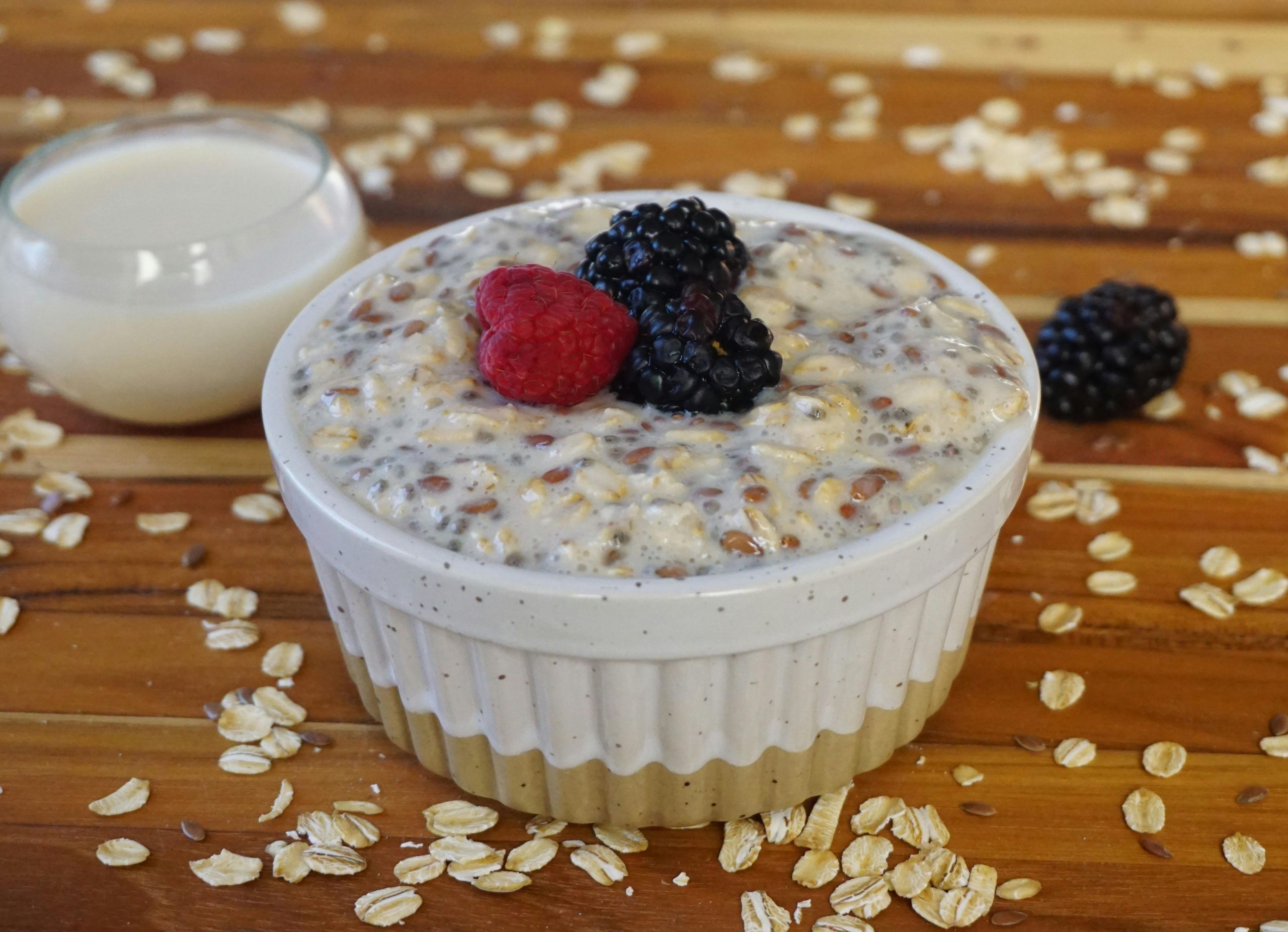
Type 2 diabetes often involves insulin resistance and is strongly influenced by weight management and diet quality. Breakfast should focus on fiber, protein, and low-glycemic-index carbohydrates to support insulin sensitivity.
Steel-Cut Oats with Almonds and Berries
Fiber from oats and antioxidants from berries improve blood sugar response. Cook steel-cut oats according to package instructions. Top with a handful of fresh berries and 8–10 almonds. This breakfast provides slow-digesting carbs, protein, and healthy fats to keep you full and energized.
Egg and Vegetable Scramble
Add spinach, mushrooms, and bell peppers for extra fiber and micronutrients. Whisk two eggs, pour into a heated skillet, and stir in diced vegetables. Season lightly and cook until eggs are set. The combination of protein and fiber helps reduce post-meal blood sugar spikes.
Whole-Grain Wrap with Turkey and Avocado
A balanced mix of protein, fiber, and healthy fats keeps you full longer. Spread mashed avocado on a whole-grain wrap, layer with sliced turkey and fresh vegetables, then roll up. This portable breakfast is convenient for busy mornings while maintaining stable blood sugar.
Low-Sugar Greek Yogurt Parfait
Layer unsweetened Greek yogurt with fresh berries and a teaspoon of flaxseeds. Avoid adding sweeteners. This high-protein, fiber-rich breakfast minimizes blood sugar impact while providing antioxidants and healthy fats.
Chia Seed Pudding with Unsweetened Almond Milk
A high-fiber, protein-rich option that can be made ahead of time. Mix 3 tablespoons of chia seeds with one cup of unsweetened almond milk and let sit overnight. Top with a few berries or nuts in the morning. This breakfast is ideal for Type 2 diabetics looking to control insulin resistance and maintain satiety.
For Type 2 diabetics, the goal is to prevent post-meal blood sugar spikes, reduce insulin resistance, and support sustainable weight management.
Can I Have Breakfast Out as a Diabetic?
Yes! Eating out is possible with some smart choices:
- Choose oatmeal or scrambled eggs over pancakes and waffles
- Opt for whole-grain bread or wraps
- Avoid sugary sauces and drinks
- Ask for extra vegetables or side salad instead of hash browns
Planning ahead and making informed choices helps you enjoy breakfast while managing blood sugar.
How to Manage Portion Sizes at Breakfast
Even healthy foods can impact blood sugar if portions are too large.
- Use measuring cups or a food scale until you get a sense of proper portions
- Stick to recommended serving sizes for grains, fruits, and protein
- Include fiber and protein to feel full and avoid overeating
Small changes in portion control can significantly improve blood sugar stability.
How to Incorporate Fiber in Your Breakfast
Fiber slows the absorption of sugar into the bloodstream. High-fiber foods include:
- Whole grains like oats, quinoa, and barley
- Vegetables such as spinach, kale, and bell peppers
- Fruits like berries, apples, and pears
- Nuts and seeds like chia, flax, and almonds
Aim for at least 5–10 grams of fiber at breakfast for optimal blood sugar control.
How to Use Low-Glycemic Index Foods
The glycemic index (GI) ranks foods based on how quickly they raise blood sugar.
- Focus on low-GI foods like oats, berries, apples, and whole grains
- Avoid high-GI foods like white bread, sugary cereals, and pastries
- Combining low-GI foods with protein and healthy fats further reduces sugar spikes
Understanding GI can help you make smarter choices for breakfast and beyond.
Breakfast Mistakes People with Diabetes Often Make
Even with good intentions, certain habits can sabotage your blood sugar control:
- Skipping breakfast entirely
- Eating high-sugar or refined carbs first thing in the morning
- Overeating portions, even of healthy foods
- Relying too heavily on processed foods labeled as “diabetic-friendly”
- Ignoring protein and fiber
Being mindful of these mistakes can improve your overall diabetes management.
How to Plan a Weekly Breakfast Menu for Diabetes
Planning ahead makes sticking to a healthy breakfast easier.
- Prepare overnight oats, smoothie packs, or veggie omelets in advance
- Keep healthy snacks on hand in case mornings are rushed
- Rotate meals to include variety: eggs one day, yogurt parfait the next, whole-grain wraps another day
- Track your blood sugar to see which breakfasts work best for you
A weekly plan reduces the temptation to reach for high-sugar, high-carb options.
Can Diabetics Enjoy Sweet Breakfast Treats Occasionally?
Yes, moderation is key. Occasional treats are okay if you:
- Keep portion sizes small
- Pair with protein or fiber to slow sugar absorption
- Consider baking low-sugar versions at home using natural sweeteners like stevia or monk fruit
- Monitor blood sugar after trying new treats
This approach allows flexibility without compromising overall control.
Tips for Sustaining Energy Until Lunch
A balanced breakfast should keep you energized until your next meal.
- Include protein and healthy fats to avoid mid-morning crashes
- Avoid sugary drinks that spike then drop blood sugar
- Consider a small fiber-rich snack if needed, like a handful of nuts or a piece of fruit
Sustained energy makes it easier to maintain healthy habits throughout the day.
Final Thoughts
Eating a diabetic-friendly breakfast doesn’t have to be complicated or boring. By focusing on a balance of protein, fiber, healthy fats, and low-GI carbohydrates, you can maintain steady blood sugar, feel full longer, and enjoy your mornings. Whether you have Type 1 or Type 2 diabetes, the breakfast ideas in this guide—ranging from omelets and smoothies to overnight oats and chia puddings—offer practical, delicious options. Pair these meals with portion control, mindful planning, and occasional treats in moderation, and breakfast can become a powerful tool in managing diabetes effectively.